📣 ADDS 2027 Save the Date!

We hope you'll consider joining us for our 5th meeting, ADDS 2027, taking place Feb 8-10, 2027 at the Georgian Terrace Hotel in Atlanta, GA.

NOTE: Our office will be closed Friday, July 3rd in observance of American Independence Day. We will reopen at regular business hours on Monday, July 6th.

Smarter Neuromuscular Disease Trials, From Endpoint Design to Submission

Your endpoint strategy is your biggest trial risk - and it's one most teams address too late. Ametris delivers clinically validated, regulatory-aligned digital endpoints for ALS, Duchenne muscular dystrophy (DMD), and other progressive NMD populations, out of the box.

Capture the full trajectory of disease across ambulatory and non-ambulatory stages through a single fit-for-purpose platform, backed by end-to-end scientific, clinical, and data operations support. So you can focus on building evidence, not the infrastructure behind it.


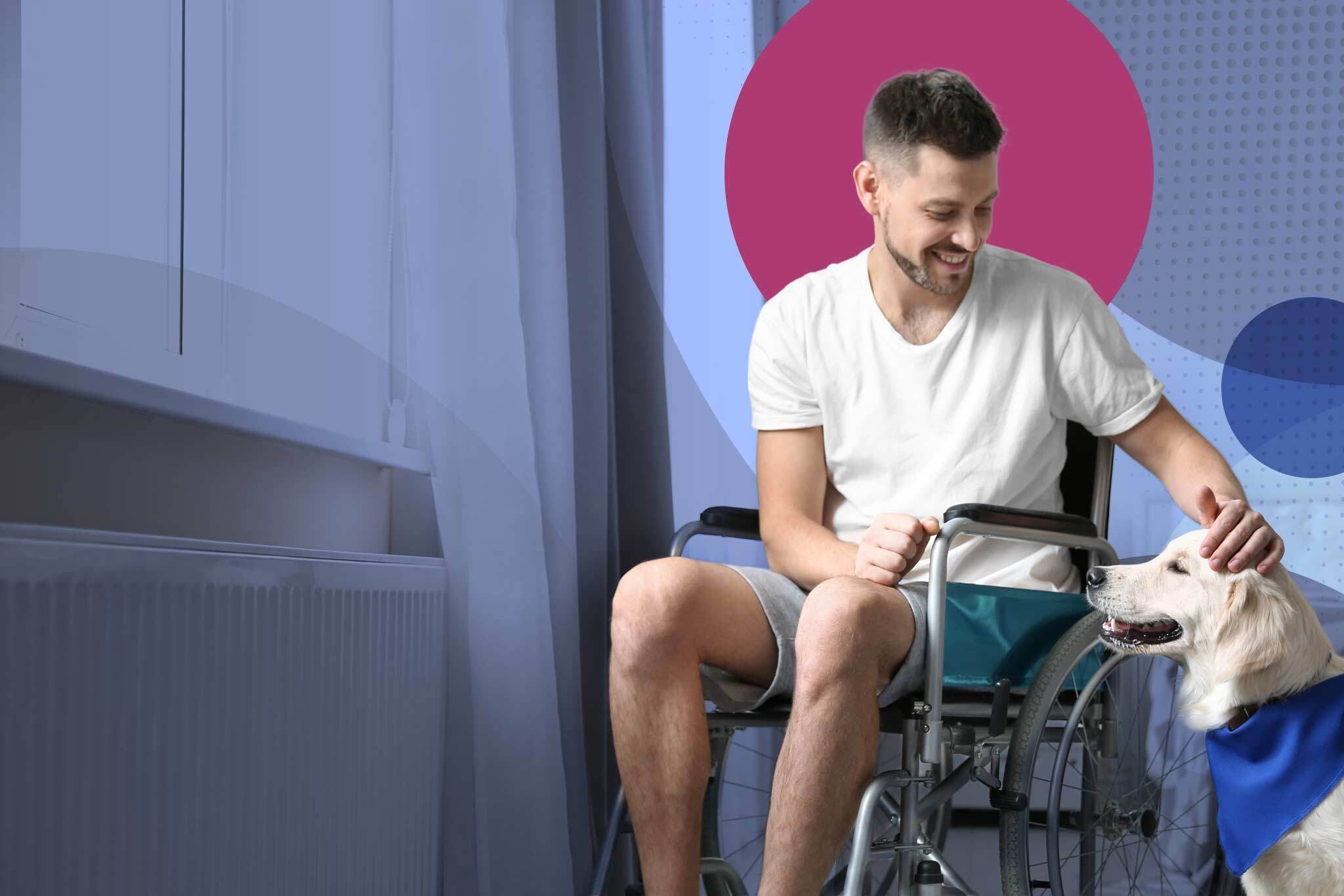
Participant treating NMD
Patient performing 6-minute walk

Clinical Measurement Challenges
in Neuromuscular Disease

Conventional clinical assessments in ALS, DMD, and other neuromuscular diseases are episodic, capturing only infrequent snapshots of a continuously progressing disease. This limits sensitivity to early and subtle changes, introduces rater variability, and leaves systematic gaps in how progression and treatment response are measured.

  • In ALS, the ALSFRS-R requires a ~3-4-point change to constitute meaningful difference — a high bar in smaller cohorts with limited statistical power.
  • In DMD, the North Star Ambulatory Assessment (NSAA) faces the same constraint: supervised, rater-dependent, and limited to periodic clinic visits.
  • Across indications, the 6-Minute Walk Test (6MWT) is validated exclusively in ambulatory patients, creating an inherent measurement gap as disease progresses, leaving non-ambulatory patients without a comparable endpoint.

Ametris Solution for Neuromuscular Disease

Continuous Coverage Across Full Disease Trajectory

gfx-actigraph-leapAmetris delivers a comprehensive digital measurement solution purpose-built for NMD clinical research.  capturing objective, continuous data across the full spectrum of disease progression. Powered by the FDA-cleared, multi-sensor ActiGraph LEAP®, worn at the ankle, wrist, or upper arm to match each measure's clinical intent, our fit-for-purpose solution captures objective, continuous digital functional measures across the full spectrum of NMD disease progression, in the natural environment. From ambulatory to non-ambulatory stages, every patient is covered.

Solutions What It Measures Regulatory Status Patient Applicability Key Strength
SV95C
(Stride Velocity 95th Centile)
Peak stride velocity during daily walking — 95th percentile from ankle-worn ActiGraph LEAP® over ~180 hours EMA-qualified as primary endpoint in DMD; applicable to BMD, SMA, SBMA, ALS Ambulatory patients Only EMA-qualified digital primary endpoint in NMD; detects meaningful change 6-12 months pre-ambulation loss
6M95C
(Six-Minute Activity 95th Centile)
Peak activity over 6-minute windows from wrist-worn accelerometer — effort-independent measure of skeletal muscle function Novel; published validation in DMD (Joy et al., 2025) Ambulatory AND non-ambulatory patients Effort-independent; works across all disease stages; strongly correlates with muscle strength and disease progression
Gait & Mobility Package Real-world gait speed, cadence, step count, walking distance — from ActiGraph LEAP® ankle sensor Validated against traditional COAs in ALS and SBMA Ambulatory patients Captures real-world walking function missed by supervised 6MWT in clinic
Upper Limb Package Wrist activity counts, 6-minute peak activity — from wrist-worn ActiGraph LEAP® DMD validation in progress All patients Tracks upper limb function when ambulatory measures are no longer applicable; critical for ALS and progressive NMDs
Physical Activity & Sleep MVPA, non-sedentary time, WASO, total sleep time, sleep efficiency — from ActiGraph LEAP® Validated across multiple NMD indications All patients Comprehensive functional picture; sleep disruption is a key patient-reported concern in ALS and DMD
Participant and Nurse two people shaking hands over a desk

Why Ametris?

EMA-Qualified Endpoint

SV95C is the only EMA-qualified digital primary endpoint in NMD. Detects meaningful change 6–12 months before ambulation loss.

whats-nexticn2

Full Disease Coverage

6M95C and upper arm mobility measures can be captured in ambulatory and non-ambulatory patients alike. No mid-trial endpoint pivots. Published validation in DMD (Joy et al., 2025).

whats-nexticn4

All-in-One Platform

FDA-cleared wearables, validated algorithms, scientific support, clinical and data operations, and regulatory documentation — all included. No internal DHT expertise required. Faster to first patient by 3–6 months.

whats-nexticn3

Proven Track Record

  300+ clinical trials
  83 Neurology trials, including 25 NMD with 11 in ALS and 8 in DMD
  1,500+ sites across 40+ countries
  20+ years of study experience

Let's Explore Your Endpoint Strategy

Endpoint decisions early make or break your program. We'll review your protocol and show you exactly where traditional measures leave risk on the table.